
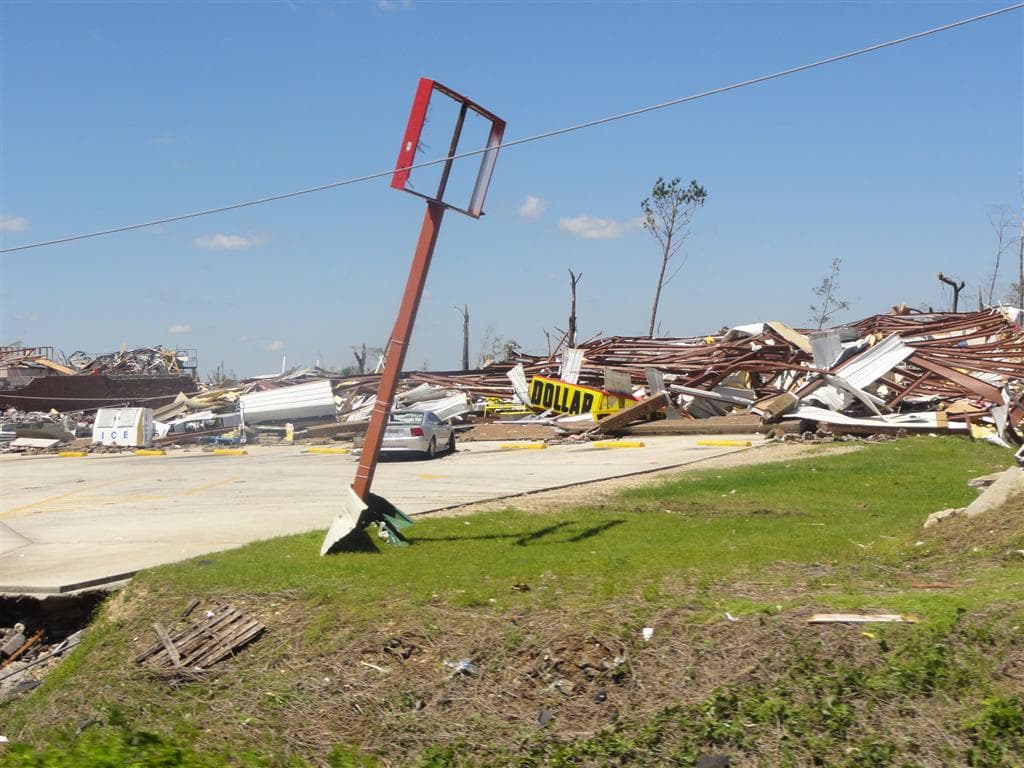

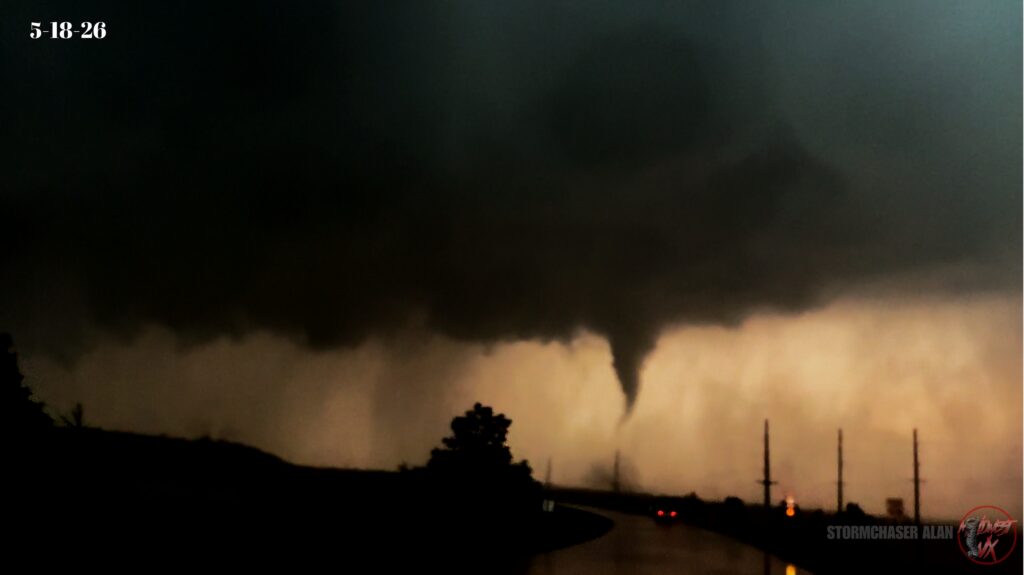
When a powerful tornado tears through a community, one question often comes up almost immediately: How strong was it?
You might think meteorologists can determine a tornado’s strength by looking at radar, measuring its size or watching videos of the storm.
But determining a tornado’s official EF rating is much more complicated.
In most cases, a tornado is not assigned an official rating until after the storm has passed and trained survey teams have examined the damage left behind.
What is the EF scale?
Tornadoes in the United States are rated using the Enhanced Fujita Scale, better known as the EF Scale.
The scale ranges from EF0 to EF5, with ratings based on the estimated wind speeds needed to produce the damage observed by survey teams.
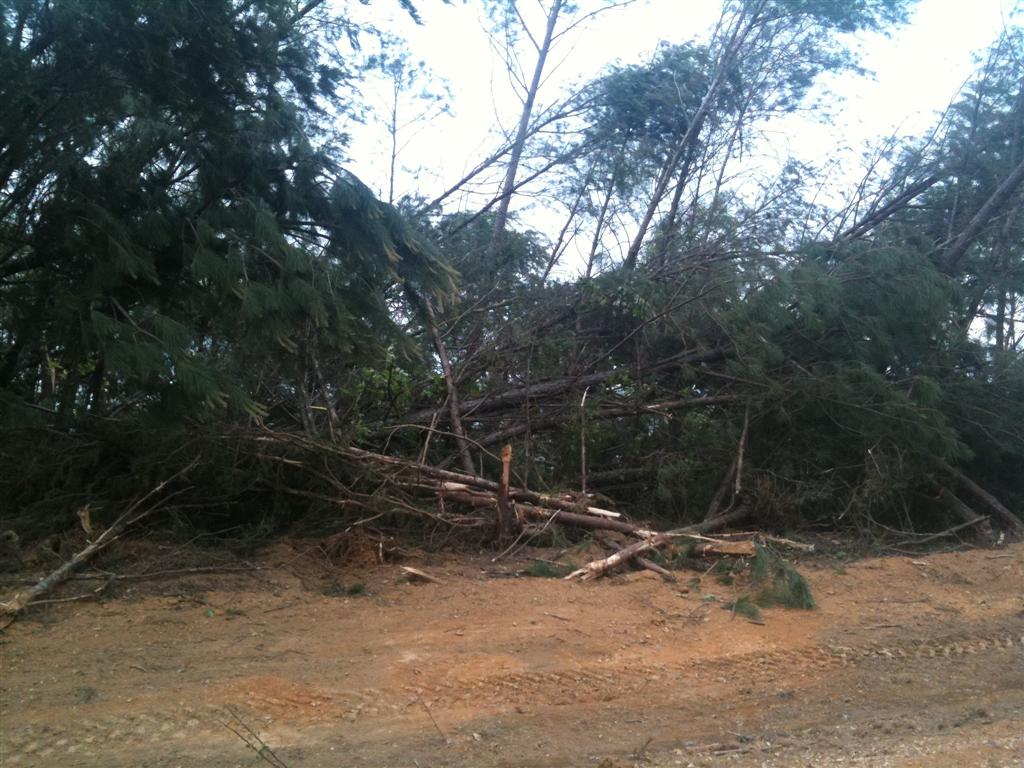
The Enhanced Fujita Scale has six categories:
| Rating | Wind Speed |
| EF0 | 65-85mph |
| EF1 | 86-110mph |
| EF2 | 111-135mph |
| EF3 | 136-165mph |
| EF4 | 166-200mph |
| EF5 | Greater than 200mph |
In most tornadoes, meteorologists aren’t directly measuring the tornado’s maximum wind speed.
Instead, they’re using the damage left behind to estimate how strong the winds likely were.
The Damage Survey:
After a tornado occurs, National Weather Service meteorologists may travel to the affected area to conduct a storm-damage survey.
Survey teams examine the tornado’s path and document the types and severity of damage they find.
But they don’t simply look at a destroyed building and decide that it “looks like EF3 damage.”
Instead, the EF Scale uses specific structures and objects known as Damage Indicators.
These include things such as homes, schools, businesses, trees, utility poles and other structures.
Each Damage Indicator has multiple Degrees of Damage, which describe increasingly severe levels of destruction.
For example, surveyors examining a home might determine whether it lost part of its roof, its entire roof, exterior walls or most of the structure.
They then use engineering-based estimates to determine the range of wind speeds capable of producing that level of damage.
Construction Quality Matters
Two homes can experience similar winds and suffer completely different levels of damage.
A well-built home that is properly anchored to its foundation may withstand considerably stronger winds than a poorly constructed home.
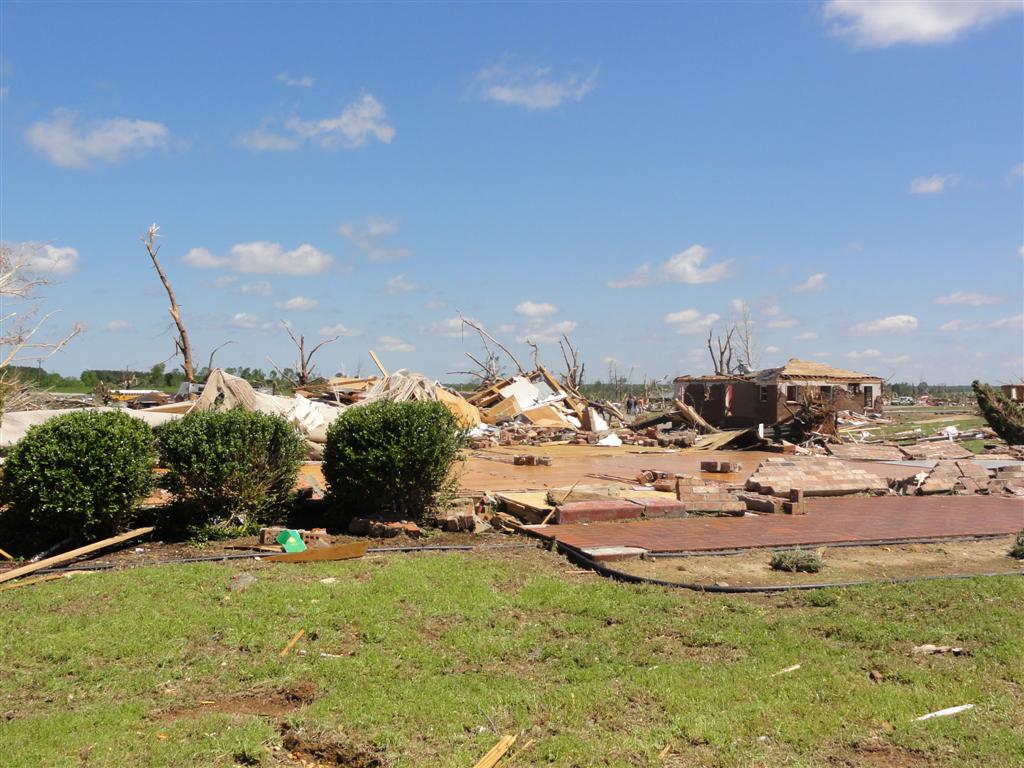
That’s why survey teams examine more than what was destroyed.
They may look at how a structure was built, how the roof was attached, whether the walls were properly anchored and how different parts of the building failed.
This is also one reason why a home being completely destroyed does not automatically mean a tornado was an EF5.
Surveyors need evidence that winds capable of producing EF5-level damage were necessary to cause the destruction.
What If a Violent Tornado Doesn’t Hit Anything?
This creates one of the most interesting limitations of the EF Scale.
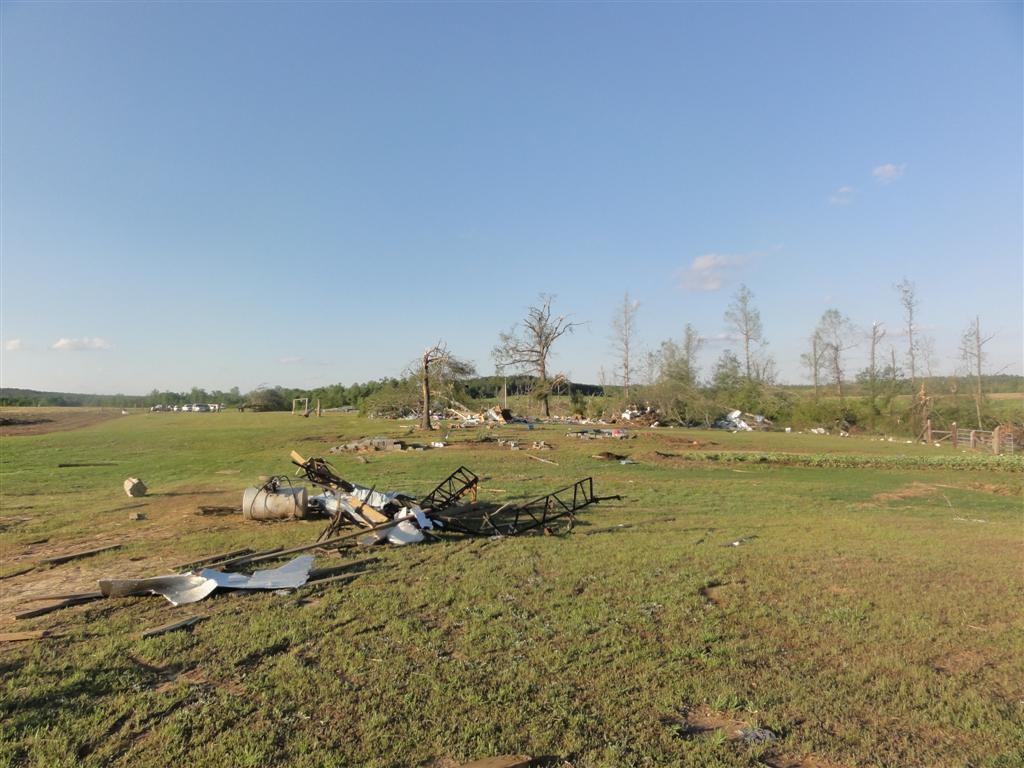
Imagine an extremely powerful tornado moving across an empty field. Even if the tornado contains winds capable of producing EF4 or EF5 damage, there may be nothing substantial in its path for surveyors to examine.
A famous example occurred near El Reno, Oklahoma, on May 31, 2013. The enormous tornado was officially rated EF3 based on the damage it produced. However, mobile Doppler radar measured winds considerably stronger than the wind speeds associated with an EF3 rating.
Some of the tornado’s strongest winds occurred over relatively open areas, leaving surveyors without structures that could provide evidence of EF4 or EF5 damage.
The El Reno tornado demonstrates an important limitation of the EF Scale: a tornado’s rating does not necessarily represent the strongest winds that occurred inside the tornado. Instead, the rating reflects the strongest damage that surveyors can support with available evidence.
So What Does an EF Rating Really Tell Us?
An EF rating is ultimately an estimate based on the damage a tornado leaves behind.
Meteorologists and engineers examine Damage Indicators, determine the Degree of Damage and estimate the winds required to produce it.
That process gives us a standardized way to compare tornado damage across the United States.
So the next time you see a massive tornado on radar or an intimidating video circulating online, remember: its appearance alone doesn’t determine its EF rating.
The answer usually comes later—after the storm has passed and investigators have carefully examined what it left behind.

Comments
Join the Conversation