
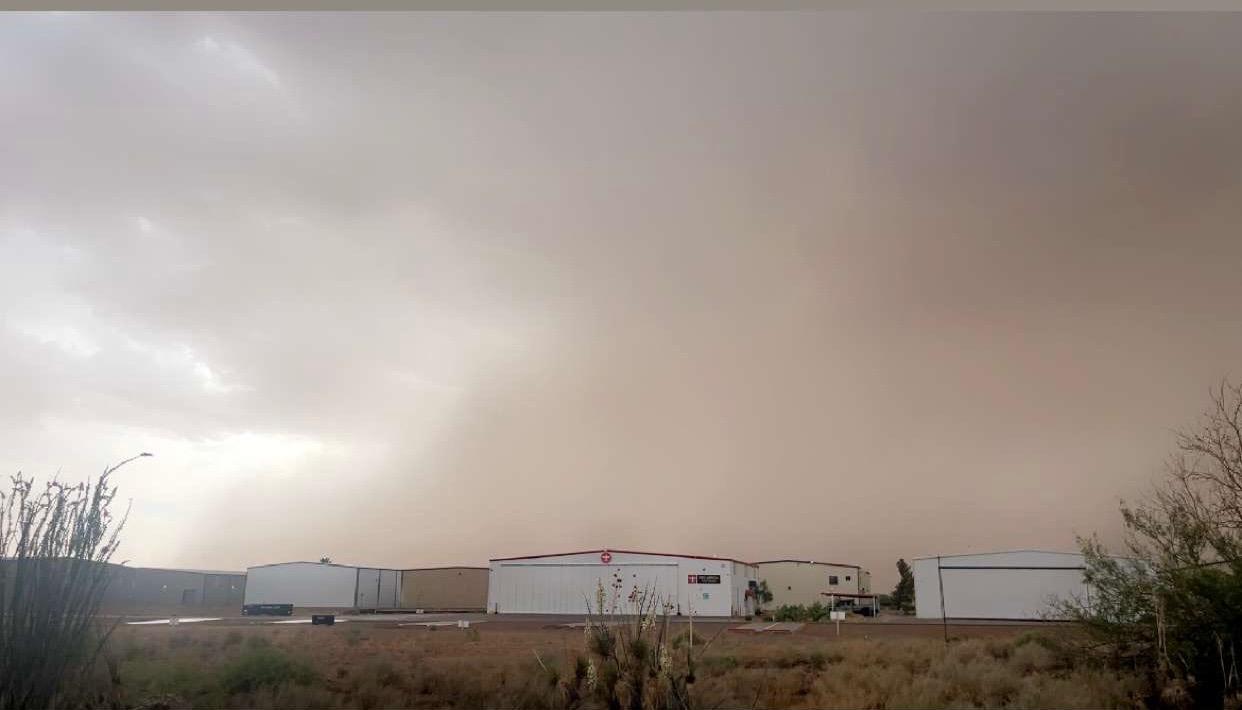

WillBrattonWX – “Agua es Vida” is a saying we learn from a very young age in New Mexico: Water is Life.
Water truly dictates our way of life here in the Land of Enchantment.
New Mexico is dominated by arid and semi-arid climate types, with lower elevations receiving far less than ten inches of precipitation annually, while mountainous regions can receive twenty inches or more.
According to the New Mexico State University Weather Data Portal, the state sees annual average of just under fourteen inches of precipitation. Despite the limited rainfall, agriculture remains a major contributor to the state’s economy.
How can this be? How can a population of just over two million people tame an unforgiving landscape?
It has everything to do with the weather.

When you ask the average American what their favorite season is, many will choose one of the traditional four: summer, spring, fall, or winter.
But in New Mexico, we get excited for a fifth season: monsoon season.
Monsoons are the seasonal shifts in prevailing wind patterns that are associated with an influx of atmospheric moisture. In North America, the monsoon season typically occurs from June through September, with the greatest rainfall generally arriving in July and August.
During the drier months, prevailing westerly winds often bring hot, dry air into the Desert Southwest. As summer progresses, atmospheric circulation patterns begin to shift, allowing moisture-rich southerly and southeasterly winds to become more prominent.
These winds help transport tropical moisture from the Pacific and Gulf of California. High pressure buildup over Texas and the southern states also draws in moisture from the Gulf.
As the moisture-rich air encounters the rugged terrain of northern Mexico and the mountains of Arizona and New Mexico, the air is forced upward through a process known as orographic lifting. As air rises, it cools and condenses, forming clouds and, under the right atmospheric conditions, thunderstorms.

Intense summer heating further fuels this process, creating atmospheric instability that supports the development of afternoon and evening thunderstorms. Moisture from rainfall and vegetation can also be recycled back into the atmosphere through evaporation and transpiration, helping sustain the monsoon pattern.
Nearly 40% of New Mexico’s annual precipitation falls during this relatively short period, replenishing reservoirs, nourishing vegetation, and bringing life back to America’s deserts.
The landscape turns green once again. Rivers and arroyos that have remained dry for months suddenly flow with rushing water.
For New Mexicans, the monsoon is more than just a seasonal weather pattern. It is a reminder of how deeply our lives are connected to the atmosphere and how something as simple as rainfall can transform an entire landscape.
Comments
Join the Conversation